Commercial Engineering Design plays an essential role in shaping safe, durable, functional, and scalable buildings. Whether planning a commercial site, modifying existing structures, or designing a new development, design mistakes can cause delays, unsafe outcomes, weakened performance, and costly redesigns. Understanding these risks helps professionals and property stakeholders make decisions that result in predictable construction outcomes.
This guide explores the common mistakes in Commercial Engineering Design, how to prevent them, and how planning, documentation, and compliance form solid design outcomes. It also aligns with the guidance provided at:
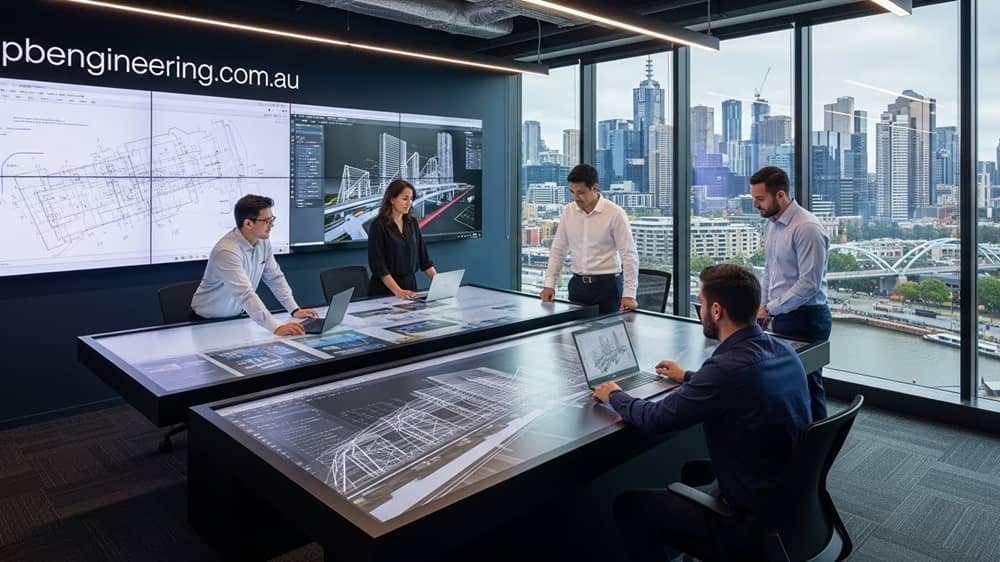
Why Commercial Engineering Design Matters
Commercial spaces need more structural strength than typical residential environments. The design influences:
- Load-bearing capacity
- Foundation layout
- Space configuration
- Long-term usage
- Safety performance
- Compliance outcomes
- Building lifecycle
From large retail premises to warehouses, hospitality venues, business facilities, education buildings or community venues, planning plays an important role in the overall building form. When commercial structures are not properly engineered, issues develop over time, affecting safety, access, and future modifications.
Major Mistakes Seen in Commercial Engineering Design
Below are common problems that negatively affect building results.
Mistake 1: Designing Without Understanding Future Usage Needs
Many commercial developments evolve over time. Early design mistakes normally appear when buildings are created for one purpose but later used differently. When usage changes, internal supports, ground works or wall layout must adapt.
How to avoid it
- Plan layouts with flexibility
- Allocate proper design allowances
- Use structural zones suitable for modification
- Include adaptable foundation arrangements
A structured approach helps prevent redesigns later.
Mistake 2: Poor Documentation and Missing Build Notes
Documentation is critical in commercial environments. When design records are missing or unclear, approval steps take longer, and builders adopt assumptions rather than confirmed engineering instructions.
How to avoid it
- Maintain readable drawings
- Ensure full explanatory design notes
- Keep revisions consistent
- Use clear reference numbers
- Update changes before site work begins
Good preparation reduces disputes.
Mistake 3: Limited Structural Load Evaluation
Commercial premises hold equipment, storage racks, HVAC systems, internal partitions, and additional infrastructure. Mistakes occur when structural capabilities do not match expected load conditions.
How to avoid it
- Evaluate slab design
- Consider future expansions
- Include dynamic load allowances
- Confirm structural beam strength
When engineers align structural loads correctly, building users gain durable performance.
Mistake 4: Inconsistent Design Communication Between Stakeholders
Engineers, site teams, planning groups, and inspection bodies often participate during building stages. Miscommunication slows projects across various phases.
How to avoid it
- Organise scheduled reviews
- Share updated drawings with all stakeholders
- Record on-site adjustments
- Confirm responsibilities early
Clear communication keeps construction aligned with the design intent.
Mistake 5: Ignoring Environment-Based Risks
A key area of Commercial Engineering Design involves environmental influences. Structural design needs to match surrounding land format, drainage paths, wind conditions, and access to support systems.
How to avoid it
- Evaluate soil classification
- Consider drainage networks
- Plan external load pressures
- Ensure correct spacing in open wall zones
This protects long-term building stability.
Design Areas That Require Extra Attention
Commercial sites demand precision because structures accommodate ongoing occupants, working equipment, goods, and external weather exposure.
Structural Planning
Important structural considerations include:
- Footing and ground beams
- Retaining support
- Multi-level slab design
- Protection against movement cracks
Early planning creates predictable lifecycle outcomes.
Interior Engineering Arrangements
Examples include:
- Service corridors
- Load-bearing wall positioning
- Column spacing
- Storage zones
When these areas align correctly, facility performance increases.
Mechanical and Support Access Points
Commercial buildings often operate continuously, so access must be designed for installation and servicing.
Typical access engineering considerations:
- Ceiling height clearance
- Stair openings
- Roof space accessibility
- Safe maintenance platforms
What Shapes Better Commercial Engineering Design Outcomes?
When teams follow structured routines, design quality improves.
Key strategies include:
Conducting early site assessments
This allows engineers to confirm ground support, drainage effects, and necessary structural formats.
Balancing usage needs with long-term planning
Businesses grow, add equipment, or increase staff usage.
Testing against building standards
Compliance gives assurance to facility owners.
Designing with future expansion in mind
Buildings can later increase in size or position new fit-outs.
How Good Engineering Documentation Prevents Rework
Commercial drawings act as a critical reference throughout construction.
Clear documentation supports:
- Council submissions
- Handovers
- Builder scheduling
- Structural inspections
Proper document structure includes:
- Dimensions
- Anchoring positions
- Load data
- Material specifications
- Access allowances
Errors reduce when documentation remains structured and verified.
Avoiding Weak Integration Between Architectural and Engineering Designs
Commercial engineering works closely with architectural planning. Failure to integrate can lead to:
- Misaligned supports
- Reduced structural spans
- Incorrect wall placement
- Inaccurate space corridors
When architects and engineers collaborate early, issues reduce significantly.
Conclusion:
Strong planning helps commercial properties deliver stable, durable and safe performance. Understanding how structures carry loads, how commercial usage changes over time and how documentation supports building outcomes forms the backbone of quality engineering design.
Commercial Engineering Design influences how buildings stand, how users access services and how modifications can be introduced safely. When designs stay compliant, future-ready and documented clearly, outcomes remain predictable and sustainable making it easier to secure How to Get Accurate Commercial Engineering Design Support when required.