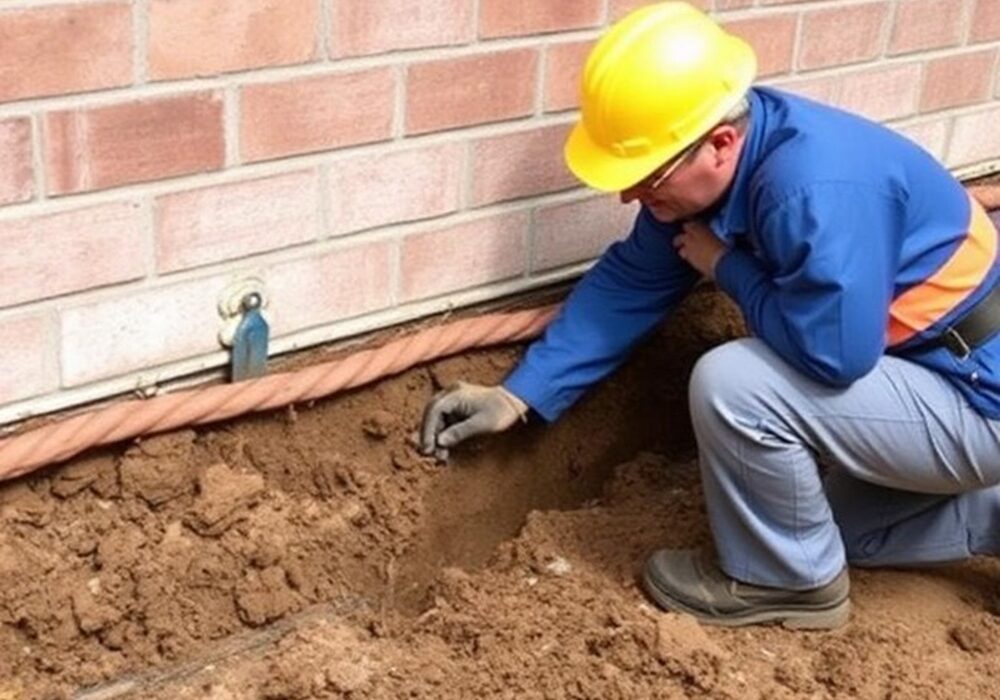
Have you noticed cracks creeping across your walls lately? Are your doors suddenly sticking, or do your floors feel a bit uneven? Perhaps you’ve spotted gaps appearing where your walls meet the ceiling? These seemingly minor issues might be telling you something important about what’s happening beneath your home.
Your foundation is quite literally the base upon which your entire home sits. It’s easy to forget about because you can’t see it, but when problems arise, they can affect everything from your property’s structural integrity to its market value. In Australia, where soil conditions vary dramatically from one region to another, foundation issues are more common than many homeowners realise.
In this comprehensive guide, we’ll walk you through everything you need to know about professional foundation repair. You’ll discover the telltale signs that something’s amiss, understand what causes these problems in Australian conditions, and learn about the various repair methods available. We’ll also cover costs, how to choose the right contractor, and what to expect during the repair process. By the end, you’ll feel confident about protecting your biggest investment.
What Is Foundation Repair and When Do You Need It?
Foundation repair involves fixing structural problems that affect your home’s base. This can range from minor crack repairs to major underpinning work. The goal is always the same: restoring stability and preventing further damage to your property.
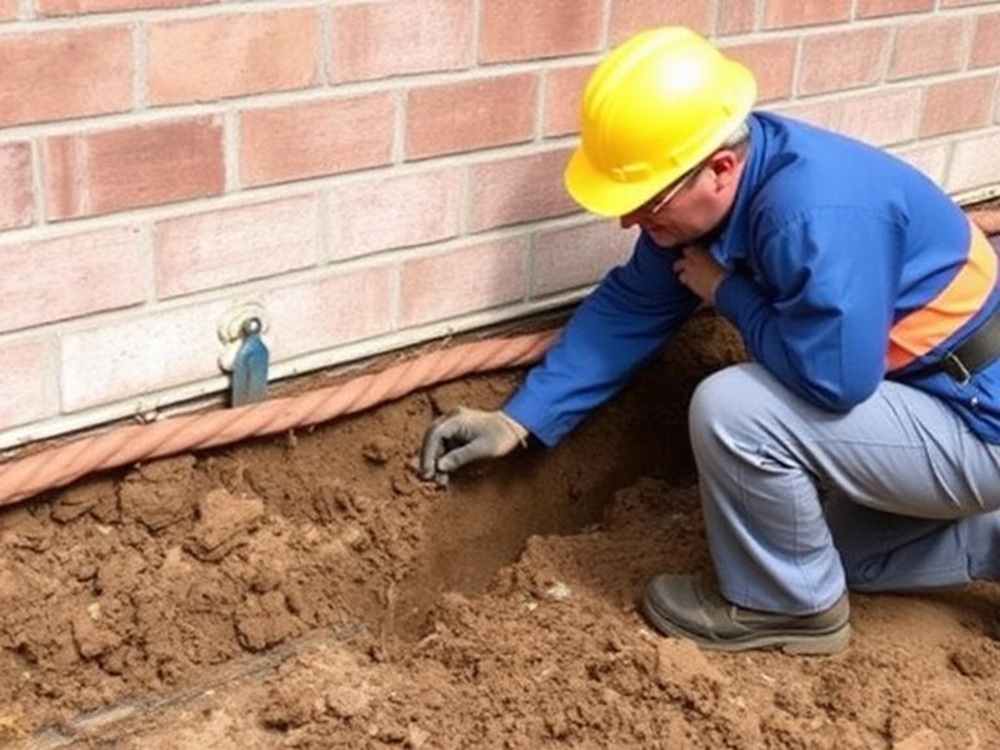
Common Signs Your Foundation Needs Attention
Several warning signs suggest your foundation might need professional attention. Cracks in walls, particularly those that appear in a stair-step pattern on brickwork, are classic indicators. You might also notice doors and windows that no longer close properly, or gaps appearing between walls and floors.
Other symptoms include sloping or uneven floors, which you can sometimes feel when walking through your home. Look out for cracks in concrete slabs, both inside and outside. Water pooling near your foundation after rain is another red flag that shouldn’t be ignored.
What Causes Foundation Problems in Australian Homes?
Australia’s unique climate and soil conditions create specific challenges for foundations. Reactive clay soils, common in many parts of the country, expand when wet and contract when dry. This constant movement puts enormous stress on your foundation over time.
Tree roots can also cause significant damage, particularly large gums planted too close to the house. Plumbing leaks beneath your home introduce moisture where it shouldn’t be, while poor drainage directs water straight towards your foundation. Even the age of your property plays a role, with older homes often built to different standards.
How Much Does Foundation Repair Cost in Australia?
Let’s talk about money, because this is often the first question homeowners ask. Foundation repair costs in Australia vary widely depending on the extent of damage and the repair method required. Minor crack repairs might cost a few hundred dollars, while major underpinning work can run into tens of thousands.
Factors That Influence Foundation Repair Pricing
Several elements affect how much you’ll pay for foundation repairs:
- Extent of damage: More severe problems naturally cost more to fix
- Type of foundation: Different foundation types require different approaches
- Property size: Larger homes typically mean higher costs
- Soil conditions: Difficult soil may require more extensive work
- Access difficulties: Hard-to-reach areas increase labour costs
- Repair method: Some techniques are inherently more expensive than others
Getting multiple quotes from reputable contractors gives you a realistic picture of what to expect. Be wary of quotes that seem too good to be true they usually are.
Is Foundation Repair Worth the Investment?
Absolutely. Ignoring foundation problems is a bit like ignoring a toothache it only gets worse and more expensive over time. Early intervention typically costs far less than waiting until structural damage becomes severe.
Plus, foundation issues directly impact your property’s value. When selling, you’ll need to disclose known problems, and potential buyers will either walk away or demand significant price reductions. A properly repaired foundation, on the other hand, provides peace of mind for years to come.
Types of Professional Foundation Repair Solutions
Modern foundation repair offers several approaches, each suited to different problems and property types. Understanding these options helps you make informed decisions about your home.
Underpinning Methods Explained
Underpinning strengthens your existing foundation by extending it deeper into more stable soil. Traditional mass concrete underpinning involves excavating beneath the foundation and pouring new concrete in stages. It’s labour-intensive but effective for many situations.
Screw piles and driven piers offer less invasive alternatives. This involves installing steel support that reaches down to stable ground, transferring your home’s weight to more solid strata. This method causes minimal disruption and works well for properties with access limitations.
Crack Injection and Sealing Techniques
For smaller cracks that don’t indicate major structural movement, injection techniques provide effective repairs. Epoxy injection fills and bonds cracks in concrete, restoring structural integrity. Polyurethane injections work similarly but expand slightly, making it ideal for stopping water infiltration.
These methods are relatively quick and affordable compared to major structural repairs. However, they’re only appropriate when the underlying cause has been addressed otherwise, new cracks will simply appear elsewhere.
Restumping and Reblocking for Older Properties
Many older Australian homes, particularly Queenslanders and weatherboard properties, sit on timber stumps. Over decades, these stumps deteriorate, rot, or sink into the ground, causing floors to slope and walls to crack.
Restumping involves replacing these old timber supports with new concrete or steel stumps. The process requires lifting your home slightly, removing damaged stumps, and installing new ones at the correct height. It’s common work across Australia and can dramatically improve an older home’s stability.
Drainage Solutions to Protect Your Foundation
Sometimes the best foundation repair is actually about managing water. Installing proper drainage systems directs water away from your home, reducing the moisture fluctuations that cause soil movement.
French drains, agricultural pipes, and surface drainage solutions all play important roles. In some cases, installing these systems alongside structural repairs creates the most long-lasting outcome.
Can Foundation Problems Be Fixed Permanently?
This question keeps many homeowners awake at night. The good news is that professional repairs, done correctly, can provide decades of stability.
What Makes a Foundation Repair Solution Long-Lasting?
Durable repairs start with proper diagnosis. A thorough assessment identifies not just the visible damage but the underlying causes. Without addressing root causes whether drainage issues, soil problems, or tree roots any repair is just a temporary fix.
Quality materials matter enormously. Steel piers, properly engineered underpinning, and appropriate drainage solutions all contribute to longevity. Equally important is the expertise of your chosen contractor. Experienced professionals understand local soil conditions and select appropriate methods for your specific situation.
How Long Do Foundation Repairs Typically Last?
Well-executed foundation repairs should last for the life of your home. Steel underpinning systems, for example, carry warranties of 20-50 years and often outlast the structures they support. Concrete underpinning, when properly done, provides similar longevity.
Regular maintenance and addressing minor issues before they escalate helps ensure your repairs stand the test of time.
Also read: 4 Steps for Making a Strong Building Foundation
How Do I Choose the Right Foundation Repair Company?
Selecting the right contractor is crucial. This isn’t the time to simply accept the lowest quote and hope for the best.
Questions to Ask Before Hiring a Contractor
Before committing to any company, ask these important questions:
- How long have you been operating in this area?
- Can you provide references from similar projects?
- What qualifications and insurance do you hold?
- Will you provide a written warranty?
- Can you explain exactly what’s causing my foundation problems?
A reputable contractor welcomes these questions and provides clear, straightforward answers. They should also offer a detailed written quote outlining exactly what work will be performed.
Red Flags to Watch Out For
Be cautious of contractors who provide quotes without proper inspection, pressure you into immediate decisions, or can’t provide proof of insurance and licensing. Extremely low quotes compared to competitors often indicate corners will be cut.
Also avoid companies that can’t clearly explain what’s wrong or propose overly simplistic solutions for complex problems. Foundation repair requires expertise, and inexperienced operators can make problems worse.
The Foundation Repair Process: What to Expect
Understanding the process helps reduce anxiety about having major work done on your home.
Initial Inspection and Assessment
Everything begins with a thorough inspection. A qualified engineer or experienced contractor examines your property, identifies damage, and investigates underlying causes. They may use level surveys, soil testing, and structural analysis to build a complete picture.
Following assessment, you’ll receive a detailed report and repair proposal. This should explain what’s wrong, what work is recommended, and what outcomes you can expect.
Timeline and Disruption to Your Home
Repair timelines vary considerably. Minor crack repairs might take a day, while major underpinning could require several weeks. Your contractor should provide clear timelines upfront.
Most foundation repairs allow you to remain in your home, though expect some noise and disruption. Access to certain areas may be restricted temporarily, and you might need to move furniture away from work zones.
How to Prevent Future Foundation Damage
Prevention is always better than cure, and several straightforward measures help protect your foundation long-term.
Maintenance Tips for Homeowners
Keep gutters clean and ensure downpipes direct water away from your foundation. Maintain consistent moisture levels around your home avoid letting soil dry out completely or become waterlogged. Be mindful of tree placement, keeping large species at appropriate distances from your home.
Fix plumbing leaks promptly, particularly any underground or concealed pipes. Even small leaks can cause significant soil moisture changes over time.
When to Schedule Regular Inspections
Consider having your foundation inspected every few years, or immediately if you notice warning signs. Early detection of problems means simpler, more affordable repairs.
Protecting Your Biggest Investment
Your home represents one of the largest investments you’ll ever make, and its foundation is fundamental to its value and safety. Foundation problems, while concerning, are fixable when addressed properly by qualified professionals.
We’ve covered a lot of ground today from recognising warning signs to understanding repair methods and choosing the right contractor. The key takeaway is simple: don’t ignore potential foundation issues. What seems like a minor crack today can become a major structural problem tomorrow.
If you’ve noticed any of the warning signs we discussed, take action now by seeking professional foundation repair in Melbourne to protect your home. Get a proper assessment, understand your options, and make informed decisions about safeguarding your investment.