In Australia’s diverse climate, pests respond to temperature, humidity, and food availability. When the weather changes, so does the way insects, rodents, and other unwanted guests move, breed, and seek shelter. By learning the patterns of each season, homeowners can plan pest control actions that are timely, cost‑effective, and less disruptive.
Why Seasons Matter for pest control
Seasonal knowledge helps you target the right pest at the right time. For example, treating a garden in early spring can stop ants before they march into the kitchen, while sealing cracks in winter reduces the chance of mice entering to escape the cold. When pest control is timed with the life cycle of the pest, the results are stronger and the need for repeat visits drops dramatically.
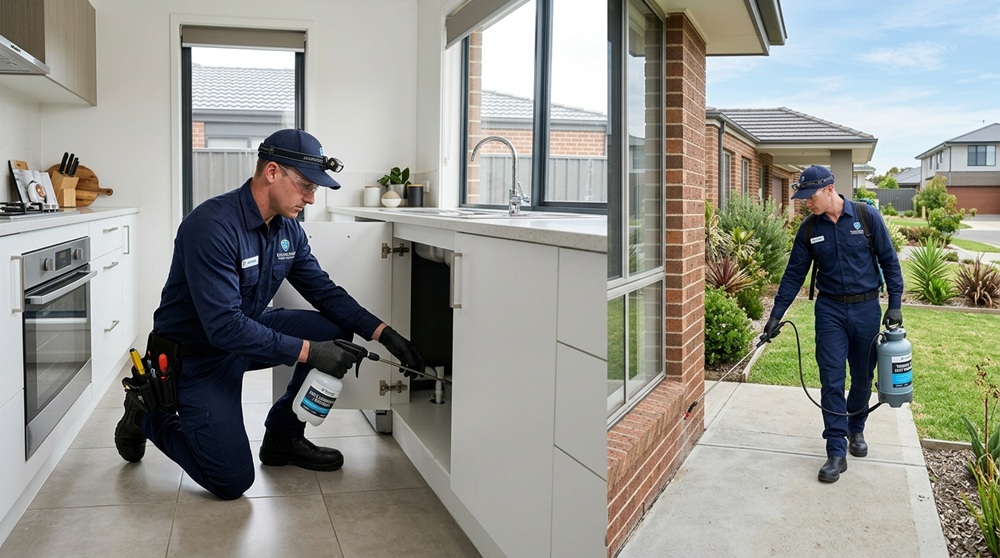
Spring: The Awakening
Spring in Australia, from September to November, brings warmer days and higher humidity. This is the perfect breeding ground for many insects and the first chance for rodents to explore new food sources after the winter lull.
Common spring pests in Australia
- Carpenter ants – attracted to moist wood and food crumbs.
- Termites – swarm in the early months of spring, especially in coastal areas.
- Fruit flies – drawn to ripening fruit and garden produce.
- House mice – start looking for warm indoor shelter as nights become milder.
Prevention tips for spring
- Remove standing water from gutters and plant pots.
- Seal cracks around windows, doors, and the foundation.
- Store firewood away from the house and keep it dry.
- Use bait stations for ants and mice before they establish nests.
- Schedule a professional pest control inspection to catch early termite activity.
Summer: The Heat Surge
Summer, from December to February, is hot and often dry in the interior, but humid along the coast. The heat drives pests indoors in search of food and water, and many species reproduce rapidly during these months.
Summer pest profile
- Australian cockroaches – thrive in warm, moist kitchens.
- Spiders – especially redback and funnel‑web spiders, become more active at night.
- Flies – house flies and blow flies increase around outdoor dining areas.
- Termite swarms – peak in late summer when soil temperatures are highest.
Summer control strategies
- Keep kitchen surfaces clean and store food in sealed containers.
- Use screens on windows and doors to keep flies and insects out.
- Apply a perimeter spray of insecticide around the home’s foundation.
- Trim vegetation away from the house to reduce spider hiding spots.
- Consider a professional pest control treatment for termites before the season ends.
Autumn: The Transition
Autumn, from March to May, brings cooler evenings and occasional rain. Pests that have been active in summer start to look for warm indoor places to survive the coming winter.
Autumn pest activity
- Silverfish – move into bathrooms and kitchens as humidity rises.
- Rodents – seek shelter in attics and crawl spaces.
- Geckos – become more visible as they hunt insects attracted to lights.
Autumn prevention
- Check and repair roof eaves and soffits for gaps.
- Store garden tools and equipment in sealed containers.
- Place mouse traps and bait stations in low‑traffic areas.
- Reduce indoor humidity with dehumidifiers or proper ventilation.
Winter: The Cold Retreat
Winter, from June to August, is the coolest period across most of Australia. While many insects become dormant, rodents and some spiders remain active, often moving indoors to stay warm.
Winter pest challenges
- House mice – increase activity inside homes, especially near stored food.
- Spiders – hide in cracks and crevices, waiting for prey.
- Carpenter ants – may establish new colonies inside walls.
Winter control measures
- Inspect and seal any new cracks that appeared during the colder months.
- Keep pantry items in airtight containers to deter mice.
- Use sticky traps for spiders in dark corners.
- Schedule a professional pest control visit to check for hidden ant colonies.
Australian Regulations and Standards for pest control
Pest control in Australia is governed by national and state regulations that protect both people and the environment. Understanding these rules helps you choose safe products and reputable service providers.
Licensing requirements for pest control operators
- All commercial pest control companies must hold a licence issued by the state or territory environment department.
- Technicians need a valid “Pest Management” or “Pesticide Application” certificate.
- Licences are renewed annually and require ongoing training on new chemicals and safety procedures.
Safe chemical use and environmental guidelines
- Only approved chemicals listed on the Australian Pesticides and Veterinary Medicines Authority (APVMA) register may be used.
- Integrated Pest Management (IPM) is encouraged to reduce reliance on chemicals.
- Disposal of pesticide containers must follow local council guidelines to avoid contamination.
Choosing a Local pest control Provider
Finding a reliable pest control service in Australia means looking beyond price. Reputation, compliance with regulations, and local knowledge are key factors.
What to look for in a provider
- Current state licence and APVMA‑approved product use.
- Clear, written service agreement that outlines treatment plans and guarantees.
- Positive reviews from local customers on platforms such as ProductReview.com.au.
- Experience with the specific pests common in your region (e.g., termites in Queensland, spiders in New South Wales).
Comparing popular providers in major cities
- In Sydney, many homeowners choose companies that specialise in termite inspections and spider control.
- Melbourne residents often look for providers with strong rodent control programs.
- Brisbane’s humid climate means a focus on ant and cockroach treatments.
- Perth’s dry conditions make ant and termite management a priority.
DIY vs Professional pest control in Australia
Both do‑it‑yourself (DIY) methods and professional services have a place in a comprehensive pest control plan. The right choice depends on the type of pest, the severity of the infestation, and the safety of the chemicals involved.
When DIY works
- Minor ant trails that can be managed with bait stations.
- Small indoor spider sightings where a simple spray or trap suffices.
- Garden pest control using organic mulches and natural predators.
When to call a professional
- Termite infestations – require licensed inspectors and specialized treatments.
- Large rodent populations – need baiting, trapping, and sealing of entry points.
- Repeated cockroach or ant problems – indicate a deeper structural issue.
- Any situation involving chemicals that are not available to the general public.
Conclusion: Your Path to a Successful pest control in Australia
Understanding how seasonal changes affect pest activity gives you a clear roadmap for year‑round pest control. By matching the right prevention steps to each season, staying aware of Australian regulations, and choosing a qualified local provider, you can keep your home safe and comfortable. Whether you handle minor ant trails yourself or call a licensed professional for termite inspections, the key is to act early and stay consistent. Start with a spring inspection, keep your home sealed and clean, and schedule regular professional checks. With these habits, you’ll enjoy a pest‑free home throughout all four Australian seasons.