Residential properties are significant investments, and maintaining their structural integrity is crucial. Pests can weaken wooden beams, damage flooring, and even compromise insulation. Engaging professional building inspectors allows homeowners to detect risks early. Through careful examination, inspectors can recommend targeted interventions and strategies to reduce the risk of major infestations. Building Inspection for Pest Safety is an essential service that provides peace of mind and safeguards property value.
Understanding the Risk of Pest Damage in Homes
Pest damage is often silent, occurring behind walls, under floors, or in roof spaces. Homeowners may not notice signs until significant damage has already occurred. Common pests that affect residential properties include:
- Termites: Known for eating timber and weakening structural beams
- Rodents: Can gnaw on electrical wiring and insulation
- Cockroaches: Carry diseases and damage soft furnishings
- Ants: Certain species can infest wooden structures
- Bees or Wasps: Can nest in walls and ceilings, creating hazards
Even a small infestation, if left unchecked, can escalate rapidly, leading to expensive repairs and potential safety issues.
The Importance of Early Detection
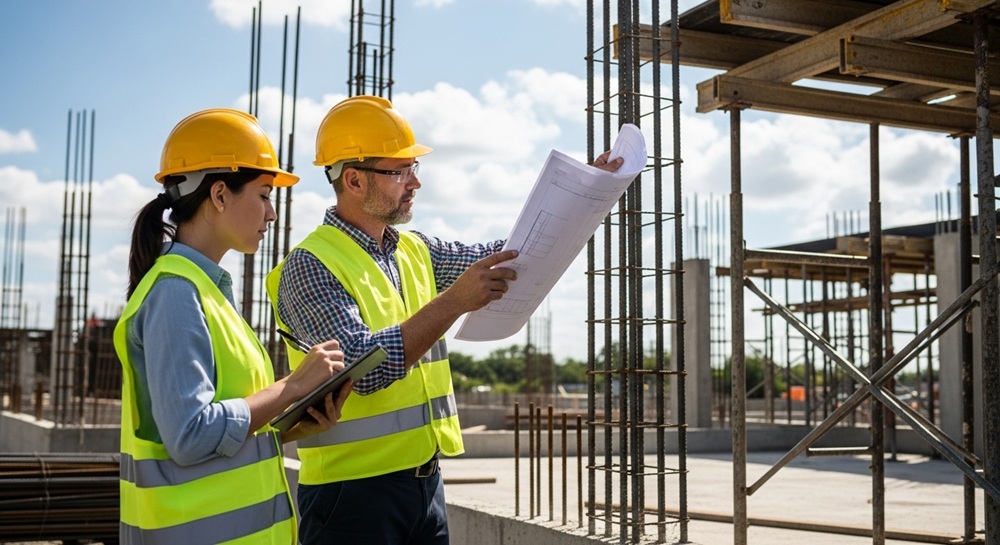
The key to preventing major pest damage is early detection. Homeowners may not realize there are problems until they are obvious and costly to fix. Building inspectors are trained to spot subtle signs, including:
- Mud tubes and timber hollowing caused by termites
- Gnaw marks on electrical wiring or wooden furniture
- Droppings or nests in hidden areas
- Water damage or dampness that attracts pests
By identifying these issues early, inspectors help homeowners take proactive measures before infestations become severe.
How Building Inspectors Assess Pest Risks
Professional building inspectors follow a systematic process to evaluate residential properties. Their assessments go beyond surface inspections to examine structural integrity and environmental conditions conducive to pests.
Visual and Structural Inspection
Inspectors examine key areas of a property for visible and hidden signs of infestation. Common points of focus include:
- Roof spaces, attics, and ceilings
- Basements, crawl spaces, and foundations
- Window and door frames
- Wooden beams, flooring, and paneling
- Plumbing areas that may attract pests
This thorough examination allows inspectors to identify both current infestations and potential vulnerabilities.
Environmental Risk Assessment
Pests often thrive in specific environmental conditions. Inspectors assess factors such as:
- Moisture accumulation from leaks or drainage issues
- Wood-to-soil contact that may attract termites
- Cluttered areas where pests can nest
- Vegetation touching the home’s exterior
By evaluating the environment, inspectors can provide recommendations to minimize pest attraction and reduce the likelihood of infestations.
Tools and Techniques Used by Inspectors
Modern building inspections use a combination of traditional expertise and advanced tools. Inspectors often employ:
- Moisture meters: To detect damp areas that attract pests
- Infrared cameras: To locate hidden termite activity and heat signatures of nests
- Endoscopes or borescopes: To examine inaccessible spaces
- Magnifying lenses: For detecting tiny damage or pest signs
These tools enhance the accuracy of inspections, ensuring that even hidden risks are identified.

Preventing Pest Damage Through Recommendations
After a comprehensive inspection, building inspectors provide actionable recommendations to prevent future damage. These recommendations often form part of a larger strategy to maintain the home’s structural and environmental safety.
Common Preventative Measures
Some of the preventive steps recommended by inspectors include:
- Structural Repairs: Replacing damaged timber or reinforcing weakened beams
- Moisture Control: Fixing leaks and improving ventilation to reduce damp areas
- Landscaping Adjustments: Ensuring shrubs and trees do not touch the home exterior
- Barrier Treatments: Applying protective coatings or barriers to vulnerable timber
- Regular Maintenance Checks: Scheduling follow-up inspections to monitor for new risks
These steps significantly reduce the likelihood of major pest damage over time.
Educating Homeowners
Beyond physical recommendations, inspectors also educate homeowners on how to maintain pest-safe environments. This includes guidance on:
- Proper storage of firewood and compost
- Keeping drains and gutters clean
- Recognizing early warning signs of pest activity
- Scheduling regular inspections to prevent recurrence
Education empowers homeowners to actively participate in safeguarding their property.
Benefits of Engaging Professional Building Inspectors
Hiring professional building inspectors goes beyond detecting pests. They provide holistic assessments that protect the home, save money, and offer peace of mind.
1. Protecting Property Value
Structural damage caused by pests can significantly reduce a home’s value. Early detection and preventive measures help maintain both safety and market worth.
2. Cost Savings Over Time
Repairing major pest damage can be costly. Investing in inspections and preventative measures is far more economical than addressing severe infestations later.
3. Ensuring Safety for Occupants
Pests like rodents or termites can compromise safety. Rodents may gnaw on electrical wiring, increasing fire risk, while termite damage can weaken floors and ceilings. Building Inspection for Pest Safety ensures that both the property and its occupants remain protected.
4. Peace of Mind
Knowing that a home has been professionally assessed for pest threats provides homeowners with confidence. Inspections help eliminate uncertainty and provide a clear plan for ongoing prevention.

Regular Building Inspections: A Preventive Approach
Major pest infestations rarely happen overnight. Regular building inspections are a proactive approach to maintaining home safety and integrity.
Recommended Inspection Frequency
- New homeowners: Full inspection upon purchase
- Established homes: Annual or biennial inspections, depending on risk factors
- Areas prone to termite activity: More frequent inspections recommended
Regular assessments allow for early intervention and reduce long-term risks.
Combining Inspections with Pest Control
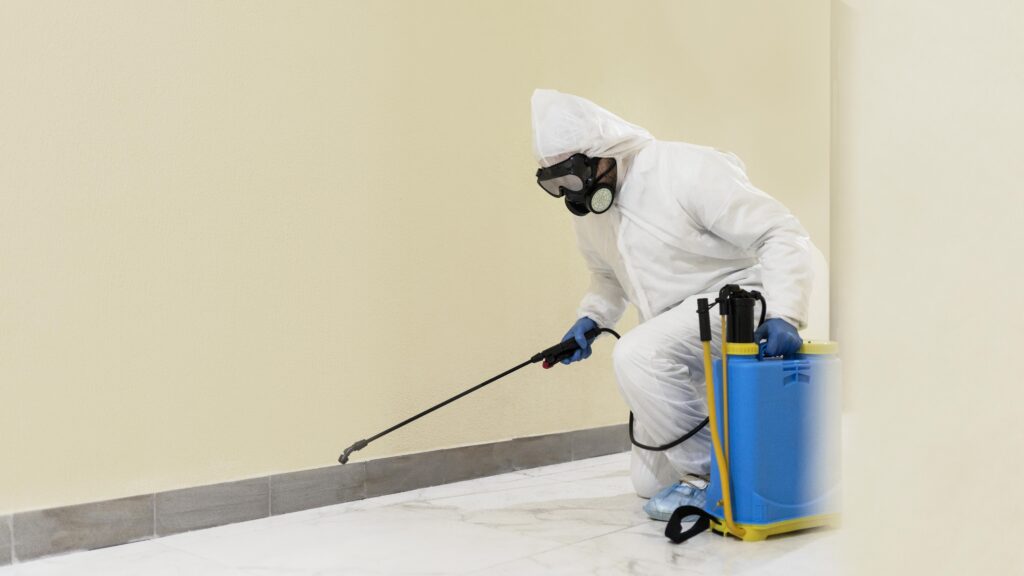
While inspections focus on identifying risks and damage, they can be combined with professional pest control services for a comprehensive approach. This combination ensures that infestations are not only detected but also effectively managed and prevented.
Tips for Choosing the Right Building Inspector
Selecting the right inspector ensures a thorough assessment and effective recommendations. Consider the following when choosing a professional:
- Experience: Look for inspectors with specialized knowledge in pest prevention
- Certification: Ensure proper licensing and adherence to industry standards
- Tools and Technology: Inspectors using modern equipment offer more accurate results
- References and Reviews: Check feedback from past clients to assess reliability
- Comprehensive Reports: Choose inspectors who provide detailed findings and actionable recommendations
A qualified inspector can make a significant difference in preventing major pest damage.
Conclusion
Pests pose a serious and often underestimated risk to residential properties. Termites, rodents, and other pests can cause structural damage, reduce property value, and create safety hazards if not addressed promptly. The role of building inspectors is crucial in preventing these issues. Through thorough assessments, early detection, and actionable recommendations, inspectors help homeowners protect their investments and ensure safe living environments.