Autumn home maintenance often starts with the furnace, gutters and garden. The outside edges of the house deserve attention too. A worn door seal or an opening beside a pipe can be easy to overlook until activity appears indoors. Checking these areas before winter gives Vaughan homeowners time to arrange repairs while access is straightforward.
You do not need to dismantle walls or climb onto a roof to make a useful first inspection. Begin with a daylight walk around the property, a flashlight and a phone for recording concerns. Look for changes rather than assuming every opening is a problem. Some gaps serve ventilation or drainage functions and must remain open. The aim is to identify damage, understand what each component does and choose an appropriate repair.
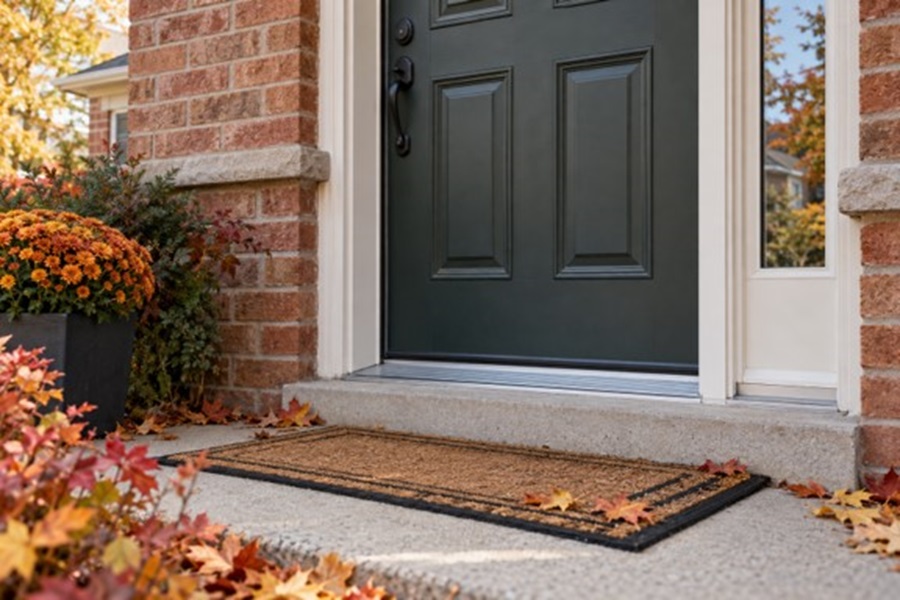
1. Exterior door thresholds and weatherstripping
Check the front entrance, side door and any basement walkout. Close each door and examine the bottom corners and the meeting points between the door and frame. A damaged sweep, loose threshold or compressed weatherstripping may leave an opening even when the lock engages normally.
Open the door and inspect the seal for tears or sections that have pulled away. Clear grit and leaves from the threshold so you can see its condition. A replacement should fit the door and allow it to close properly; forcing a thick strip into place can create a different gap elsewhere.
Pay particular attention to doors used infrequently. A side entrance hidden behind storage can miss the regular cleaning and small adjustments that a main entrance receives. Add it to the same seasonal maintenance list.
2. Garage door corners and bottom seals
A garage door has a long perimeter, and the bottom corners are worth a careful look. With the door closed, inspect the rubber seal and the side trim from a safe position. Uneven contact with the floor, visible tears or a section that has folded back should be assessed.
Keep stored items away from the door edges so inspection is possible. Pet food, birdseed and recycling also need suitable closed storage and regular cleanup. A gap and a readily available food source can create a combination that housekeeping alone will not resolve.
Garage door springs, cables and alignment adjustments are jobs for a qualified technician. Do not loosen hardware or attempt to correct the door’s tension during a pest prevention check. Record the damaged seal or uneven edge and arrange the right repair.
3. Openings around pipes, cables and utility services
Walk around the exterior and locate service penetrations: places where a pipe, cable or other utility enters the building. Look for cracked surrounding material, missing trim or a seal that has separated from the wall. Photograph the whole area as well as the detail so a contractor can understand its location.
The correct repair depends on the wall surface and the service involved. A material suitable for one gap may be unsuitable near heat, moving components or electrical equipment. Do not cover meters, shutoffs or service connections, and do not assume expanding foam is the answer to every opening.
When work has recently been completed, check the finished perimeter rather than focusing only on the new fixture. Ask the installer to assess any unfinished opening associated with the work. This is easier to address while the installation details are still available.
4. Basement windows and window wells
Basement windows can be partly concealed by vegetation, stored outdoor items or accumulated leaves. Clear enough space to inspect the frame and screen. Look for damaged mesh, a sash that does not close correctly and deteriorated material around the frame.
Remove loose debris from a window well without obstructing its drainage. Check whether soil or mulch has been piled against the window area. Persistent moisture or damage deserves a building assessment rather than a cosmetic patch that hides the condition.
If the window serves as an emergency exit, maintain its operation and access. A cover or repair should not interfere with that purpose. Choose window repairs based on the component’s function, not simply on closing every visible space.
5. Exterior vents and protective covers
Inspect accessible vents from ground level. A broken cover, missing flap or damaged protective component may warrant attention. However, vents are working parts of the house, and a pest prevention repair must preserve the airflow they are designed to provide.
Dryer exhaust is a particular example where an improvised fine screen can collect lint and restrict operation. Ask an appropriate contractor about the correct cover rather than attaching arbitrary mesh. Heating equipment, bathroom exhaust and other ventilation systems also have specific requirements.
Record the type and location of a damaged vent. If nesting material or animal activity is visible, arrange an assessment before closing it. The inspection should establish both what is using the opening and how the building component can be restored safely.
6. Siding edges and the foundation perimeter
Follow the accessible base of the exterior wall, checking corners, transitions and areas behind outdoor storage. Loose siding, deteriorated trim and damaged material near the foundation can conceal openings. Look carefully where different construction materials meet.
Move lightweight objects out of the way when practical, but avoid disturbing suspect droppings or nesting material. Note fresh damage and whether it changes between checks. A recurring problem may need more than a surface repair.
Brickwork may contain drainage openings that should not simply be filled. Likewise, a foundation concern can require a building contractor rather than a general sealing product. Identify the component first and select a repair that preserves its intended function.
7. Roof edges, soffits and accessible attic connections
From the ground, look for displaced soffit panels, loose fascia and damaged roof edges. Binoculars or a zoomed photograph can help document a concern without climbing. Trees and neighbouring structures can make upper areas harder to assess, so an incomplete view should not be treated as proof that everything is intact.
If you hear repeated movement above a ceiling or see animals using an opening, arrange an inspection before sealing it. Closing an active route without understanding the situation can leave animals inside. Work at roof level also requires proper equipment and experience.
For an indoor attic check, use only a safe, accessible viewing position. Do not step between framing members or disturb insulation and electrical components. Visible damage, unfamiliar material or strong odours are reasons to stop and ask for professional help.
Turn the inspection into a practical repair plan
Group your findings into simple maintenance, repairs requiring a trade and possible active pest concerns. Give each photograph a location and date. This creates a useful record for arranging work and checking the same spot after the repair.
Health Canada’s guidance on rats and mice identifies prevention as part of managing rodent problems. Use that as a starting point for understanding the issue, while choosing repairs that suit your own building.
Where repeated sightings, fresh damage or unexplained sounds suggest activity, Quality Affordable Pest Control’s Vaughan service offers a local contact for discussing an assessment. Explain what you observed and where it occurred rather than choosing a treatment before the cause is identified.
A seasonal inspection is most useful when it leads to completed repairs and follow-up. Revisit the affected areas after work and keep the perimeter accessible through winter. The result is a home that is easier to maintain and a clearer understanding of changes that need attention.